

A love letter to our community, with a necessary challenge.
There’s a moment that many of us in the South African Muslim community know well. You arrive at a wedding, Eid lunch, baby shower, birthday party, or a family reunion. The tablecloths are ironed, the flowers are beautifully arranged, the food smells incredible — and there, in the centre of the table, is a two-litre bottle of Coca-Cola.
And suddenly, something in you deflates.
The sight of that Coke sits in your chest like a stone you cannot shift. It’s not that you want to ruin the occasion or make a scene. But it’s because you know what that bottle represents: ‘death’, and the irony of serving it to celebrate the miracle of new life, the joy of a marriage, or the mourning of the loss of life… all while quietly pouring money into the genocide of an entire people.
What Coca-Cola Has to Do With Palestine
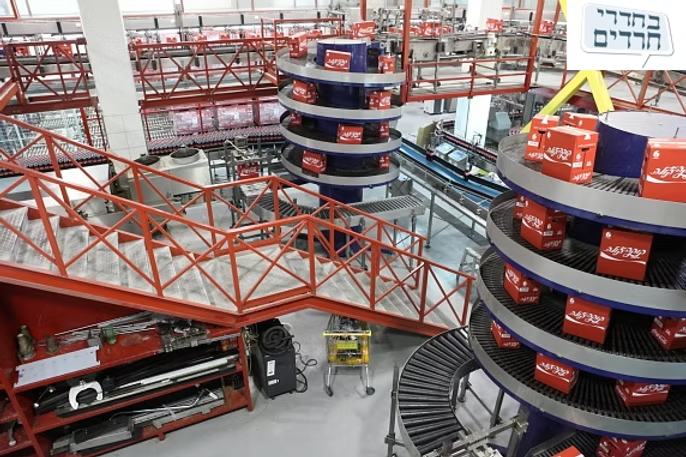
The Coca-Cola Company has maintained significant business operations in Israel since 1968 through its bottling partner, Central Bottling Company, repeatedly flagged by pro-Palestinian organisations for sustaining and normalising the Israeli economy. Beyond the direct financial ties, Coca-Cola has refused to take any public position against the genocide in Gaza, continuing business as usual while over 700,000 Palestinians have been killed. In the language of the BDS movement, that silence is complicity.
PepsiCo is equally implicated, present on South African event tables through Pepsi, Mirinda, Mountain Dew, and Lipton, which are maintaining significant operations and investments in Israel. Every bulk order placed by a caterer and each case purchased for a wedding feeds revenue that reaches companies who have chosen, deliberately and repeatedly, to remain invested in an apartheid state carrying out genocide and illegal occupation.
The Muslim Community and the Weight of This Contradiction
South African Muslims have a long and proud history of solidarity. During apartheid, the Muslim community was at the forefront of the struggle, where mosques doubled as meeting spaces for activists, Muslim lawyers defended freedom fighters, and Muslim families sheltered and supported those who were being hunted by the regime. The tradition of speaking truth to power and standing with the oppressed is woven into the fabric of this community’s identity.
And yet…
There is a painful disconnect happening in our community spaces right now. On a Friday, the imam speaks about Gaza. The congregation weeps. People pray for the children of Palestine and Lebanon. Then on Saturday, at a walima in the same community, Coca-Cola is served with the biryani, without a second thought.
This is what makes the current contradiction so agonising. It’s a paradox born of habit, convenience, and not yet making the full connection between the product on the table and the politics behind it. It stems from caterers, event organisers and venues who have always included or allowed Coke because their clients have always expected or demanded it. Serving Coca-Cola products at a Muslim celebration isn’t a harmless habit. It’s a question of values and conscience, and our community deserves to wrestle with it honestly. Ask yourself: If the tables were turned, would a single zionist buy products that fund the killing of their own brothers, sisters, and children?
A Word to Caterers, Event Planners, and Venue Owners
Caterers, event planners, and venue owners are among the most influential people in this conversation. One caterer who removes Coca-Cola products from their offering affects every event they cater — potentially dozens of gatherings a year, thousands of people, the quiet ripple effect of one principled business decision.
Your clients trust you to create experiences that reflect their values. Many of them are already boycotting at home, already reading labels in supermarket aisles, and then they hand the drinks list to you, trusting that you have thought about it too. There is real power in being able to tell a family planning their wedding: “We do not supply products on the boycott list.” For the conscientious client (and there are many), that is peace of mind.

The Alternatives Are Right Here
South Africa has a growing range of ethical alternatives that are available in bulk, affordable at scale, and taste exactly as good as what they replace. Salaam Cola was created specifically as a pro-Palestine alternative to Coca-Cola and donates a portion of profits to Palestinian causes. Kingsley Cola and Palestine Cola are gaining real momentum. Carter’s Iced Tea works beautifully at events. Ethical coffee brewers replace Nescafé without any compromise, and a wide range of local juices and bottled waters fill every other gap. Better options exist, they are accessible and affordable at scale. The only thing missing is the decision to make the switch.
Need help finding alternatives? Check out our Resources
How to Have the Conversation
If you are close to the host, a kind message before the event goes a long way. There’s no need to scold or reprimand, but to honestly share, letting them know you’ve been boycotting and then ask whether they would consider serving ethical alternatives instead. Most people, approached with warmth rather than judgement, will receive this better than you expect and may actually appreciate the reminder. With caterers, ask the question directly: “Do your packages exclude products on the boycott list?” Many genuinely do not know. Send them the list and recommend the alternatives. Be a resource rather than a critic because a caterer who makes the switch affects every event they ever cater again. If you’re at the event and all they have are Coco-Cola-manufactured drinks like Fanta, Sprite, Schweppes, and Grapetiser, perhaps let the host know that you are committed to the boycott movement and ask if they, by any chance, have any ethical alternatives on hand. This simple request may spark a thought process about what their guests would prefer at future events.

We Are Not Asking for Perfection
This article is not a call to boycott your cousin’s wedding or deliver a dramatic speech at the next baby shower you attend, and it’s not written to shame anyone who has served Coca-Cola at an event or drunk it without thinking. We’ve written it because our community is at a genuine turning point, the awareness is real, and it’s growing. We need to bridge the gap between what we see while scrolling reels of Gaza and Lebanon burning during the week, and what we serve on the weekend. This is a gap that we are absolutely capable of closing if we decide to.
The Palestinian, Lebanese, and Iranian people need our action, and action looks like a thousand small things done consistently — including what we choose to put on the table at the moments that matter most to us. The next wedding, Eid, or family gathering is a small, yet genuinely powerful opportunity to say: NOT at our table.
